

Cleaning a gas stove top is one of the most dreaded kitchen chores. Baked-on grease, boilover stains, and charred food around burners can take serious scrubbing. Here are the most effective methods, plus how to prevent the mess in the first place.
Daily maintenance (2 minutes)
The best way to keep a gas stove clean is to wipe it after every cooking session, before spills have a chance to bake on.
- Wait until the stove is cool enough to touch but still slightly warm (warm surfaces release grease more easily).
- Remove the grates.
- Wipe the entire surface with a damp microfiber cloth or sponge with a drop of dish soap.
- Dry with a clean cloth to prevent water spots.
Weekly deep clean (15 minutes)
For tougher stains that have had time to set:
- Remove grates and burner caps. Set them aside (soak in hot soapy water if they need cleaning too).
- Apply baking soda paste. Mix baking soda with enough water to make a thick paste. Spread it over stained areas and let it sit for 15 minutes.
- Spray with vinegar. The fizzing reaction helps loosen baked-on food. Let it work for another 5 minutes.
- Scrub gently. Use a non-scratch sponge or soft brush. Avoid steel wool or abrasive pads, which can scratch enamel or stainless steel.
- Wipe clean with a damp cloth and dry thoroughly.
For stubborn baked-on grease
If baking soda and vinegar are not enough:
- Ammonia soak: Place burner grates in a large plastic bag with a quarter cup of ammonia. Seal and let sit overnight. The fumes loosen grease without scrubbing. Rinse thoroughly the next morning.
- Commercial degreaser: Products like Easy-Off or Krud Kutter work well on tough stains. Spray, wait the recommended time, and wipe. Always ventilate the kitchen.
- Razor blade scraper: For flat enamel surfaces, a razor blade held at a 45-degree angle can remove carbonized food. Do not use on stainless steel.
What NOT to do
- Do not use steel wool or metal scouring pads on enamel, stainless steel, or painted surfaces. They leave permanent scratches.
- Do not spray cleaner directly into burner ports. The small holes where gas comes out can get clogged. Use a pin or toothpick to clear blocked ports instead.
- Do not use oven cleaner on the stove top. Oven cleaners are formulated for enclosed oven interiors and can damage stove surfaces and finishes.
- Do not submerge electronic ignition components. The spark igniters near each burner should only be wiped, not soaked.
The easier option: prevent the mess entirely
The most effective cleaning strategy is not having to clean at all. A stove top liner sits on the surface underneath and around your grates, catching spills, boilovers, and grease before they reach the stove surface.
When the liner gets dirty, you remove it and either wipe it down or put it in the dishwasher. The stove surface underneath stays clean.
Generic liners require cutting and often leave gaps. Custom-fit gas range liners from FireFly Home are pre-cut to match your specific stove model with precise burner and vent openings, so they cover the entire surface with no gaps and no trimming.
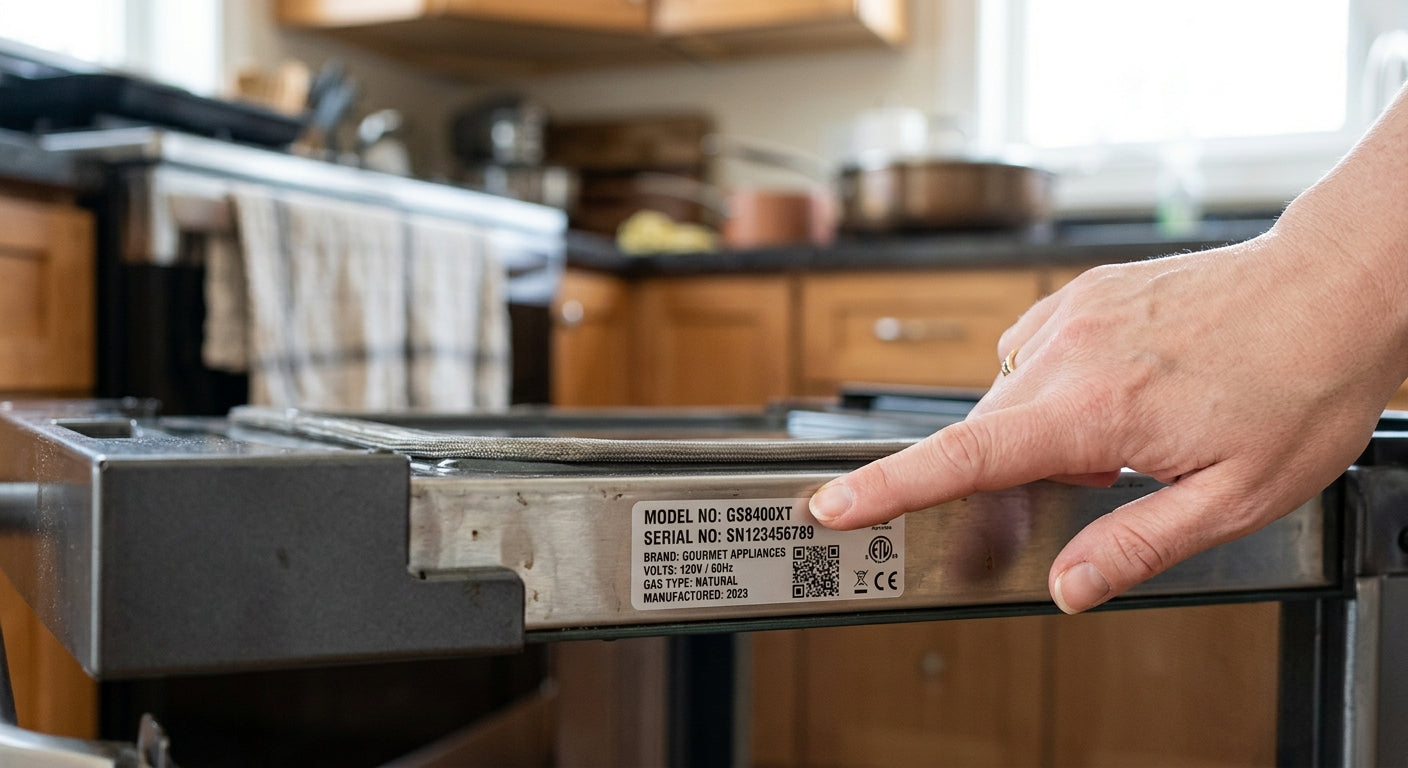
Not sure which liner fits your stove? Find your model number in 30 seconds and order the right fit.
Related reading
Shop by brand: Frigidaire · GE · LG · Samsung · Whirlpool · Maytag · KitchenAid

Leave a comment
This site is protected by hCaptcha and the hCaptcha Privacy Policy and Terms of Service apply.